There’s a tree on your property that doesn’t look right. Maybe the top is thinning out. Maybe there’s a crack in the trunk you don’t remember seeing last year. Maybe you’re selling your house and your real estate agent mentioned something about the big oak in the backyard.
Most people don’t think about tree inspections until something goes wrong. But by the time a branch falls on your fence or a root system fails during a storm, you’re dealing with emergency removal costs, insurance claims, and possibly liability for damage to your neighbor’s property.
A tree inspection is the simplest way to catch problems early, and there are specific situations where every Staten Island homeowner should get one.
How a Tree Inspection Works (and What to Expect)
A professional tree inspection is a structured evaluation of the tree’s trunk, bark, branches, root zone, and surrounding soil conditions. The purpose is to identify hazards, disease, structural weakness, or decline before they turn into emergencies.
The gold standard in the industry is the ISA’s Tree Risk Assessment Qualification (TRAQ) program, which uses a standardized methodology to rate risk levels. A standard residential assessment typically involves a 360-degree ground-level inspection, evaluating structural defects across roots, trunk, and crown. The output is a risk rating and a clear recommendation: the tree is fine, the tree needs maintenance (pruning, deadwood removal, weight reduction), or the tree needs to come down.
G&R Tree Service performs tree inspections across Staten Island, checking for structural weakness, disease, decay, storm damage, and overall health. If you want a formal ISA-certified risk assessment, ask about that when you call for your free estimate.
When to Schedule a Tree Inspection
Before buying or selling a home. This is the situation where an inspection has the most immediate financial impact. Standard home inspectors note obvious tree issues like dead branches on a roof, but they don’t conduct thorough tree assessments. Buyers should hire separately. For sellers, a tree problem discovered during the buyer’s due diligence can derail a sale, trigger price renegotiation, or cause a buyer to walk away entirely. Getting an arborist inspection before listing puts you in a stronger negotiating position and demonstrates good-faith maintenance. In New York, sellers generally have an obligation to disclose known material facts that could influence a buyer’s decision. If you know a tree is dead or damaged and don’t disclose it, you can face lawsuits years later if damage occurs.
After a major storm or extreme weather. Even when there’s no visible damage, storms can cause cracked limbs under tension, weakened root systems, and internal trunk damage. These can fail days or weeks later without warning. An assessment after a significant weather event catches what you can’t see from the ground. For more on storm response, see our guide on emergency tree service on Staten Island.
When you see warning signs. Any of these should prompt a call:
- Leaves turning yellow or dropping out of season
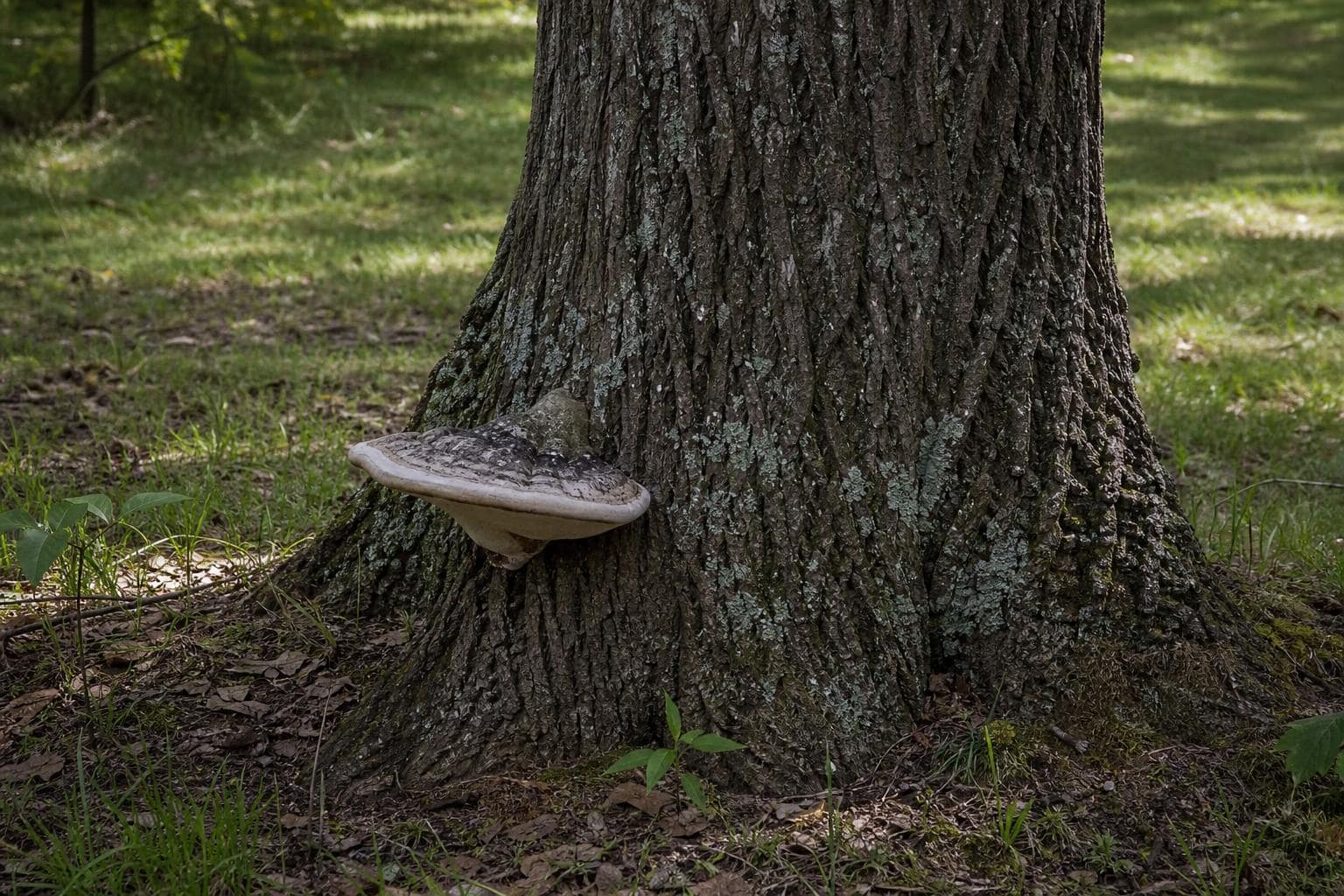
- Fungal growth (mushrooms, shelf fungi) on the trunk or at the base
- Bark peeling or falling off in large sections
- Major cracks in the trunk or main branches
- A tree leaning more than it used to (root loosening)
- Dead branches in the canopy
- Insect infestations (bore holes, sawdust at the base)
- Crown dieback (the top of the tree dying back progressively)
For a deeper look at spotting tree decline, check our post on how to tell if your tree is dead.
On a regular schedule. The industry recommendation for residential properties with mature trees is every two to three years. More frequently if trees are near structures, power lines, sidewalks, or public areas.
Before major construction or renovation. If construction will happen near existing trees, an arborist determines what protection is needed and whether any trees should come down first. In NYC, construction near street trees also triggers the Parks Department permit process.
The Liability Angle Most Homeowners Miss
This is the part that gets people’s attention. If your tree falls on a neighbor’s property, each homeowner’s insurance generally covers their own damage. But if your neighbor can prove you knew the tree was dead, diseased, or dangerous and failed to act, they can file a negligence claim against your policy.
Negligence is proven by showing you were aware of the risk and didn’t act. Evidence that works against you includes neighbor complaints, previous arborist reports showing risk, and visible signs of decay that any reasonable person would notice.
A healthy tree that falls during a storm is treated as an act of nature. An unhealthy tree changes the liability picture entirely. Proactive inspections create a documented paper trail showing you’re a responsible property owner, which protects you if a dispute ever goes to court.
Note that homeowner’s policies often cover tree removal only when a fallen tree hits a covered structure. A tree that falls in your yard without hitting anything is typically not covered. You pay out of pocket.
FAQ: Tree Inspections on Staten Island
How much does a tree inspection cost?
It varies based on the number of trees, their size, and access. G&R provides free estimates on all work, so the best way to get a number is to reach out directly.
Can a tree inspection save a tree from being removed?
Yes. An inspection can confirm whether a tree actually needs to come down or whether it can be treated with corrective pruning, deadwood removal, or other maintenance. This prevents unnecessary removal of trees that still have years of life left.
What if the inspection finds a serious problem?
You get a clear recommendation: what needs to happen, how urgent it is, and what your options are. If removal is the right call, you’ll know why. If maintenance can solve it, you’ll know the scope.
Should I get an inspection before selling my house?
Strongly recommended. It removes a potential objection from buyers, protects you against future disclosure claims, and shows good-faith property maintenance. An arborist report can also support your asking price if the trees are healthy and well-maintained.
My neighbor’s tree looks like it’s dying. What can I do?
You can talk to your neighbor directly and suggest they have it inspected. If the tree is a street tree (between the curb and property line), you can also report it to 311 or NYC Parks. If you believe the tree poses an imminent danger, document the condition with photos and dates. This documentation matters if the tree later causes damage to your property.
How often should I have my trees inspected?
Every two to three years for mature trees on residential properties. More often if trees are near your home, near power lines, or if you’ve noticed any of the warning signs listed above.
Does G&R do tree inspections?
Yes. Tree inspections are one of our core services. Glen Gabel is on-site at every job, and we’ve been assessing and servicing trees across Staten Island for over 15 years. Visit our tree inspections page for more details.
Get Your Trees Checked Before the Next Problem Shows Up
A tree inspection is a fraction of the cost of emergency removal, property damage, or a liability claim. Whether you’re selling your home, noticing warning signs, or just haven’t had your trees looked at in a few years, now is the time.
G&R Tree Service offers free estimates across Staten Island. We’re fully insured, and owner Glen Gabel is present at every job site.